Darknet Markets 2026:
The dark web is part of the deep web but is built on darknets: overlay networks that sit on the internet but which can't be accessed without special tools or software like Tor. Tor is an anonymizing software tool that stands for The Onion Router — you can use the Tor network via Tor Browser.
| Darknet Market | Established | Total Listings | Link |
|---|---|---|---|
| TorZon Market | 2022 | 140+ | Onion Link |
| Nexus Market | 2024 | 600+ | Onion Link |
| Abacus Market | 2022 | 100+ | Onion Link |
| Ares | 2026 | 100+ | Onion Link |
| Cocorico | 2023 | 110+ | Onion Link |
Updated 2026-10-27
How to Find Good Darknet Markets for Quality Products
Finding reliable darknet links is the first step for accessing a marketplace with quality controlled substances. Specialized forums and link repositories act as community-curated directories, filtering out fraudulent sites. These platforms rely on user verification and real-time status updates to maintain a list of active and trustworthy vendor markets.
The process involves using a Tor browser to access these directories, where links are often accompanied by user reviews and ratings. A valid darknet link leads to a marketplace that implements escrow services and has a clear feedback system. This structure allows buyers to assess vendor reputation and product consistency before any transaction occurs, creating a foundation for secure shopping.
Marketplaces reached through verified links provide detailed product listings, which include:
- Precise chemical composition or strain information
- High-resolution photographs from the vendor
- Transparent pricing and shipping options
- Historical customer feedback and ratings
This level of detail, absent in traditional street transactions, enables an informed purchasing decision. The ecosystem is self-regulating through these mechanisms, where a reliable link is the gateway to a transaction environment designed for safety and quality assurance.
How Darknet Markets Make Drug Trade Safe and Smooth
Access to a darknet marketplace begins with a reliable link, which functions as a secure gateway. These links are dynamic and change frequently to avoid disruption. Users typically find current links through dedicated clearnet forums, trusted community members on encrypted platforms, or from specialized link aggregator sites that verify accessibility. The process of finding a working link acts as a first filter, directing traffic toward established platforms with a history of stability.
Once inside, the marketplace structure itself organizes trade. Vendors operate on a reputation-based system. Each seller has a public profile displaying:
- Average user rating out of five stars
- Number of completed transactions
- Detailed feedback comments from previous buyers
The escrow service is central to securing a transaction. Funds from the buyer are held in escrow by the marketplace until the product is delivered and confirmed. Only then is the cryptocurrency released to the vendor. This mechanism protects both parties: buyers do not pay in advance without assurance, and vendors are guaranteed payment upon providing proof of shipment. Disputes are mediated by marketplace staff, who review communication and shipping evidence before adjudicating the escrow release.
Product listings are detailed and standardized, enabling efficient shopping. A typical listing includes:
- Precise substance specifications and purity level
- Clear pricing per weight unit
- Shipping options, costs, and expected delivery times
- Vendor's terms and conditions
How Ratings and Escrow Make Buying Drugs on the Darknet Safe
Finding reliable darknet links is the first step toward a secure transaction. These links, often shared within trusted community forums or through specialized directories, lead to marketplaces where vendor reputation is the primary metric for safety. A vendor's profile displays a detailed transaction history, including the number of completed sales and, most crucially, user-submitted ratings and reviews. These reviews are not simple star ratings; they contain specific feedback on product purity, shipping speed, stealth packaging, and communication. This system creates a transparent environment where consistently high-quality vendors are easily identifiable, while those with poor feedback or scam allegations are quickly marginalized.
The transaction process itself is secured by an escrow service managed by the marketplace. When a buyer places an order, the cryptocurrency funds are held in escrow and are not released to the vendor until the buyer confirms satisfactory receipt of the product. This mechanism protects both parties: the buyer from receiving substandard or no goods, and the vendor from fraudulent "chargebacks" common in traditional e-commerce. Disputes can be raised, with marketplace moderators reviewing communication and evidence before adjudicating the release of escrow funds. This combination of community-driven feedback and neutral third-party holding of funds forms a robust framework for trust, making darknet commerce remarkably reliable for sourcing quality-controlled substances compared to unvetted street dealings.
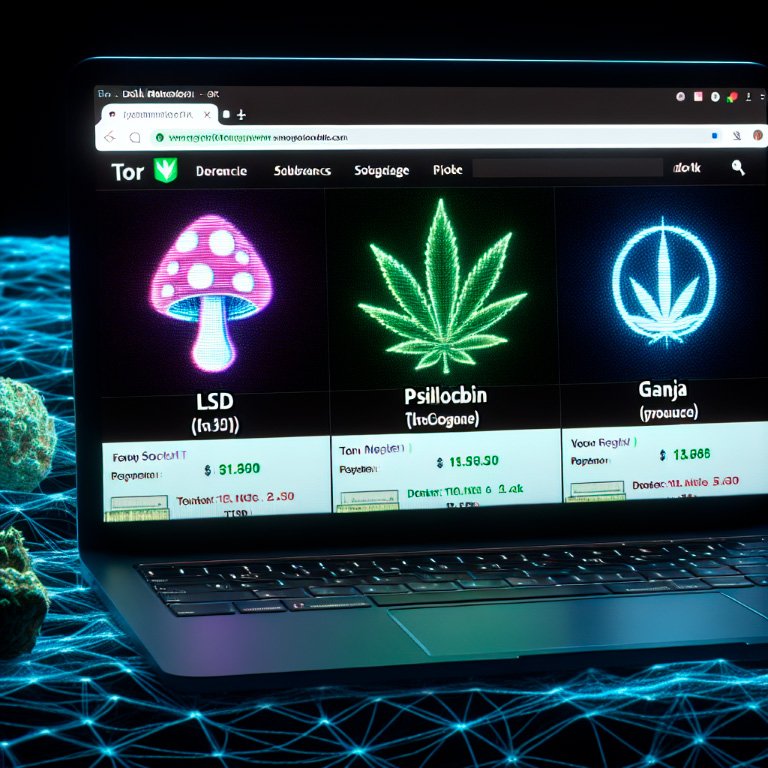
How Crypto Keeps Drug Buys Private on the Darknet
The operational foundation of darknet commerce is cryptocurrency, primarily Bitcoin and Monero. These digital currencies provide a necessary layer of financial privacy by separating transactional data from real-world identities. When a user acquires cryptocurrency through an exchange and then transfers it to a private wallet, the first step of obfuscation is achieved. The subsequent transaction to a vendor's address contains no personally identifiable information, only encrypted wallet identifiers on a public ledger. This system is more effective than traditional payment methods which are directly tied to names and accounts.
For enhanced security, tumbling services or the use of privacy-centric coins like Monero are common. These methods further break the chain on the blockchain, making transaction history extremely difficult to trace. This financial architecture supports the entire ecosystem, enabling secure and pseudonymous trade. It allows buyers to confidently access a wider range of products without the privacy concerns associated with conventional online payments or street-level deals. The efficiency and anonymity of cryptocurrency transactions are integral, facilitating a market where reputation and feedback become the primary currencies of trust, rather than exposed personal data.
More Options and Better Quality on the Darknet
Accessing a darknet market begins with finding a reliable darknet link, which serves as the gateway to a significantly expanded marketplace. The variety of controlled substances available surpasses local street offerings, both in scope and specificity. Buyers can find niche compounds, specific strains, and precisely dosed products that are simply not available through conventional illicit channels.
The quality control mechanisms inherent in this system are a direct function of its structure. Vendors operate on a reputation-based model where detailed user feedback and public lab test results are standard. A seller offering impure or misrepresented products faces immediate and visible consequences through negative ratings, which directly impact future sales. This creates a self-regulating environment where consistent quality is incentivized.
Secure shopping is facilitated by integrated systems. Escrow services hold payment until the buyer confirms satisfactory receipt of the product, protecting both parties. Transactions are conducted with cryptocurrencies, which provide a layer of financial privacy. The entire process, from browsing detailed listings to finalizing a sale, occurs within encrypted networks, making it a more discreet and systematic alternative to physical street procurement.
How Darknet Listings and User Reviews Make Buying Safer
Access to quality products on the darknet begins with finding a reliable marketplace link, which is itself a form of community-vetted quality control. Established forums and review sites act as a primary filter, where users share and verify working vendor links and market mirrors. This collective verification process minimizes the risk of phishing sites and exit scams, directing buyers toward platforms known for consistent service.
Once on a legitimate marketplace, the detailed product listing provides comprehensive data far beyond street-level acquisition. Listings specify chemical composition, purity percentages, precise weight, and country of origin. This level of detail allows for informed decision-making based on empirical specifications rather than guesswork.
The transaction's security is reinforced by integrated community feedback systems. Each vendor profile displays a history of transaction counts, positive and negative ratings, and detailed textual reviews. Buyers report on shipping speed, stealth packaging, communication, and product accuracy against the description. This creates a transparent reputation economy where vendors are incentivized to maintain high standards to preserve their business.
The final layer of assurance is the escrow service, held by the marketplace until the buyer confirms satisfactory receipt. This mechanism aligns vendor behavior with positive outcomes, as funds are only released after the buyer is content. The combination of verified links, detailed listings, and enforced feedback creates a structured environment for secure and predictable commerce.
How Darknet Markets Deliver Quality and Security
Finding reliable darknet links is the foundational step for accessing a marketplace where quality-controlled substances are the norm. These links, often distributed through dedicated forums and link repositories, act as gateways to established vendor shops and major platforms. The process relies on community-driven verification, where users share and vet URLs to filter out fraudulent mirrors or phishing sites. This collective scrutiny ensures that a link leads to a genuine marketplace with a functional escrow system and a history of completed transactions.
Once inside a verified marketplace, the mechanisms for quality control and secure shopping become operational. Vendor reputation, built over hundreds of transactions, is quantified through detailed rating systems. Buyers leave specific feedback on product purity, accurate weight, and stealth of shipping. This creates a transparent record where vendors with consistently high ratings for specific substances are easily identifiable. The escrow service holds the buyer's cryptocurrency payment until the product is received and confirmed, which financially incentivizes the vendor to meet the advertised quality standards. This ecosystem efficiently connects demand with a supply that is subject to rigorous, continuous peer review, a significant departure from the inconsistent quality and higher risks associated with local street markets.