Darknet Markets 2026:
The dark web is part of the deep web but is built on darknets: overlay networks that sit on the internet but which can't be accessed without special tools or software like Tor. Tor is an anonymizing software tool that stands for The Onion Router — you can use the Tor network via Tor Browser.
| Darknet Market | Established | Total Listings | Link |
|---|---|---|---|
| TorZon Market | 2022 | 140+ | Onion Link |
| Nexus Market | 2024 | 600+ | Onion Link |
| Abacus Market | 2022 | 100+ | Onion Link |
| Ares | 2026 | 100+ | Onion Link |
| Cocorico | 2023 | 110+ | Onion Link |
Updated 2026-10-27
How Darknet Lists Help You Find Good Markets and Vendors
Darknet market lists function as dynamic directories for the ecosystem, providing a real-time overview of operational platforms. These lists are critical tools for navigation, moving beyond simple links to offer a comparative analysis of market features. They aggregate data to show which sites are online, their uptime history, and any recent security incidents or exit scams. This immediate visibility into a market's operational status is the first filter for secure access.
The lists present a structured comparison of product categories and variety, allowing for an assessment of which markets specialize in certain goods or offer the broadest selection. More importantly, they compile vendor reputation scores and user feedback, which are direct indicators of transaction reliability and product quality. This data is synthesized into updated rankings, often based on factors like user traffic, number of listings, and community trust signals. These rankings are not static; they reflect the fluid nature of the darknet, highlighting new, growing markets while demoting or removing those that are defunct or compromised. The primary function of these lists is to distill vast amounts of user-generated and observational data into an actionable guide for finding platforms that prioritize security and vendor accountability.
How Lists Show Which Darknet Markets Are Open and Running Smoothly
Darknet market lists function as dynamic directories, providing real-time status updates on platform availability. They monitor a market's uptime and connectivity through automated scripts that periodically test the accessibility of its onion URL. A market listed as "online" or "up" confirms it is currently operational and accepting connections, which is the first step for secure shopping.
Beyond simple uptime, these lists track functional status by aggregating user reports. If a market experiences a phishing attack, a denial-of-service issue, or an exit scam, user communities report the problem. Lists then update the market's status to reflect these operational disruptions, often tagging it with warnings like "problematic" or "offline." This collective verification helps users avoid non-functional or fraudulent platforms.
The tracking of a market's working status is directly linked to its reliability for transactions. A consistently online market with a stable URL indicates robust infrastructure, which supports secure and uninterrupted trade. Lists often rank markets that maintain long periods of stable uptime higher, as this consistency is a foundational element for quality service and vendor activity.
Comparing Product Selection on Darknet Markets
The product range is a primary indicator of a darknet market's scale and specialization. Updated lists categorize platforms by their inventory, showing clear distinctions between generalist and niche markets. A broad product variety, spanning multiple categories, signals a mature and well-established ecosystem with high vendor competition, which typically drives quality upward and stabilizes prices. Lists detail these categories, allowing users to identify markets that consistently offer a wide selection of pharmaceuticals, digital goods, or other specialized items.
Specialized platforms often provide superior product quality and vendor expertise within their niche. For informed access, comparing these ranges across different markets is essential. A market's depth in a specific category, such as rare pharmaceuticals, is frequently highlighted in user reviews and vendor ratings, which are aggregated on these lists. The presence of diverse product listings, from common to rare items, directly correlates with a market's transaction volume and overall health. Security features and privacy tools are more robust on platforms that support a large and varied inventory, as they handle greater financial throughput and user data.
Product variety also influences safety. Markets with a wide range of reputable vendors offer more choice and reduce reliance on any single supplier. This diversity is tracked through lists that monitor vendor reputations and user feedback, creating a cycle where quality and variety reinforce a market's standing. New and growing markets often initially showcase a limited but focused product range, which expands as vendor trust and user activity increase, a progression clearly shown on updated ranking lists.

How Reviews and Ratings Keep Shopping Safe
Vendor reputation systems are the primary mechanism for establishing trust and ensuring transactional reliability on darknet markets. These systems function as a decentralized form of quality control, where the community collectively validates a seller's performance. A vendor's reputation score, typically displayed as a percentage or star rating, is a direct aggregate of past customer feedback. Higher scores indicate a history of successful deliveries, accurate product descriptions, and professional conduct.
User reviews provide granular detail beyond a simple score. Customers comment on specific aspects of their purchase:
- Product purity and accuracy relative to the advertised listing.
- Shipping speed and stealth of packaging methods.
- Communication quality and responsiveness of the vendor.
Markets that feature escrow services enhance this feedback loop by holding payment in reserve until the buyer confirms satisfactory receipt. This prevents exit scams and incentivizes vendors to maintain high standards. Analyzing review patterns is crucial; a vendor with thousands of consistent positive reviews over several years is statistically more reliable than a new vendor with few transactions. Dispute resolution histories, often visible on a vendor's profile, further reveal how they handle issues. Consistent, positive feedback across a large volume of transactions is the most reliable indicator of a safe and quality-focused vendor, directly contributing to a secure shopping experience.
How Top Darknet Markets Keep Your Trade Safe and Private
A market's security architecture directly determines the safety of its users and the longevity of the platform itself. Updated darknet market lists provide a critical comparative view of these features, allowing for an informed choice based on technical robustness. The primary security layer is end-to-end encryption for all communications, which ensures that private messages between buyers and vendors cannot be intercepted or read by the market operators or external parties.
Beyond communication, transaction security is paramount. Most reputable platforms enforce a multisignature (multisig) escrow system. This method distributes control of the funds among the buyer, vendor, and sometimes a third party, requiring more than one key to authorize a release. This significantly reduces the risk of exit scams where a market administrator absconds with all the escrow funds. Markets that offer and encourage multisig over traditional escrow are consistently ranked higher on trusted lists.
Privacy tools are equally integral to security. A market's commitment to privacy is measured by its support for anonymous cryptocurrencies beyond Bitcoin. Platforms that integrate Monero (XMR) by default provide a substantially higher degree of financial anonymity due to its obfuscated ledger, making transaction tracing practically impossible. Furthermore, operational security features include:
- Mandatory use of the Tor network with .onion addresses, often with additional protections against accidental IP leakage.
- Implementation of CAPTCHA systems and anti-DDoS measures to maintain uptime and prevent automated attacks.
- Clear data retention policies, with markets that practice automatic PGP encryption of shipping details and offer no-logging assurances being viewed as more secure.
The presence of detailed vendor bond requirements and two-factor authentication (2FA) for user accounts are further indicators of a market's dedication to a secure ecosystem. These features create barriers against opportunistic fraud and account takeover attempts. By analyzing these elements side-by-side on a current list, a user can objectively identify which platforms invest in proactive security rather than relying on basic, outdated protocols.

How Transaction Volume Proves a Darknet Market is Thriving
Transaction volume is a direct metric for a darknet market's vitality and reliability. High volume indicates a large and active user base, which is often a sign of collective trust in the platform's operational stability and vendor quality. Markets with consistent, high transaction flow demonstrate their ability to process orders efficiently and maintain liquidity, meaning vendors receive payments promptly and buyers have a wide selection of products available.
Analyzing volume trends over time, as tracked by updated lists, reveals more than just size. A steady increase suggests organic growth and positive user retention, while sudden spikes can correlate with the arrival of reputable vendors or the closure of a competitor. Conversely, a sharp decline in reported transaction volume is a critical red flag, potentially signaling:
- technical problems or exit scams in preparation
- a loss of key vendors to other platforms
- deteriorating security or user experience
Therefore, transaction volume serves as a real-time barometer. It helps distinguish between established, bustling markets and newer or declining ones, guiding users toward platforms where commerce is fluid, diverse, and sustained by community participation.
Finding New and Growing Darknet Markets
The dynamic nature of darknet markets means platforms frequently appear, expand, or disappear. Updated market lists function as a real-time discovery and analytics tool for this ecosystem. They track emergence by monitoring forums, vendor migrations, and cryptocurrency transaction clusters to identify new platforms before they gain widespread attention. This allows users to observe markets in their early growth phases, often characterized by introductory vendor incentives and lower fees, which can present advantageous conditions for early adopters.
Growth is quantified through several observable metrics listed alongside each market. A consistent increase in vendor count and total product listings directly indicates a platform's expanding economic activity. Similarly, a rising number of user reviews and forum discussions signals growing community trust and engagement. Updated lists capture these trends, visually representing a market's trajectory through upward arrows or improved ranking positions. This helps distinguish temporarily popular platforms from those with sustainable growth based on reliability and service quality.
For informed access, these lists provide critical comparative data on new and growing markets. Key factors to assess in parallel include:
- The implementation of robust security features like multi-signature escrow and comprehensive privacy tools from the outset.
- The speed at which a market attracts established vendors with verified feedback from previous platforms, which accelerates trust.
- The diversification of product categories beyond a single niche, indicating a move toward becoming a general marketplace.
Therefore, an updated list transforms from a simple directory into a strategic map. It highlights where the ecosystem is expanding and provides the necessary data to evaluate whether a new market's growth is built on a foundation that promises secure transactions and access to a broadening range of quality products.
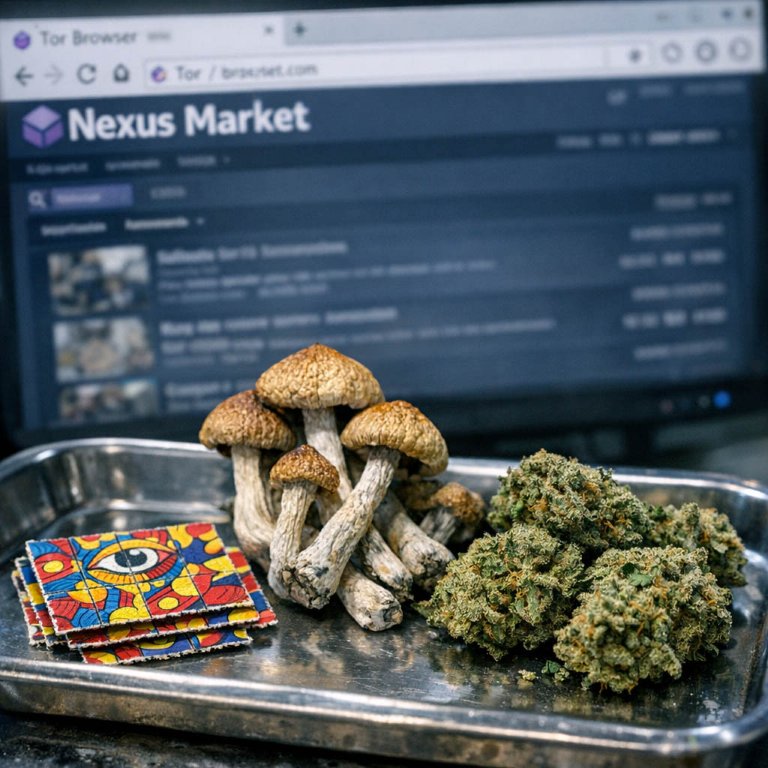
How Market Lists Help You Shop Safely on the Darknet
Updated darknet market lists function as a primary analytical tool for procurement, transforming raw data into actionable intelligence. A user's objective to find the best darknet markets for secure shopping and quality products is directly supported by the structured comparison these lists provide. The process begins with consulting updated rankings, which reflect real-time operational status and transaction volume, indicating platform stability and vendor activity.
Subsequent analysis focuses on trusted vendor reviews aggregated within these lists. These reviews offer verifiable data on product purity, shipping reliability, and communication, moving selection beyond guesswork. Cross-referencing a vendor's reputation across multiple list entries mitigates risk. Furthermore, lists detail each market's security architecture, enabling a user to prioritize platforms with robust encryption, escrow services, and privacy-centric transaction methods. This methodical use of compiled information facilitates informed access, where choices are based on empirical evidence of security, product quality, and vendor integrity.