Darknet Markets 2026:
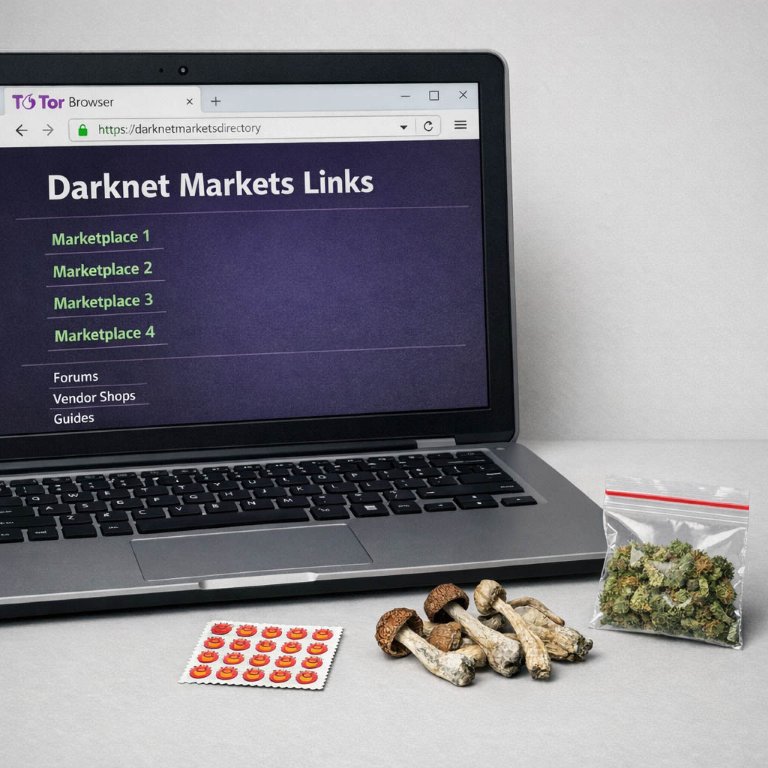
The dark web is part of the deep web but is built on darknets: overlay networks that sit on the internet but which can't be accessed without special tools or software like Tor. Tor is an anonymizing software tool that stands for The Onion Router — you can use the Tor network via Tor Browser.
| Darknet Market | Established | Total Listings | Link |
|---|---|---|---|
| TorZon Market | 2022 | 140+ | Onion Link |
| Nexus Market | 2024 | 600+ | Onion Link |
| Abacus Market | 2022 | 100+ | Onion Link |
| Ares | 2026 | 100+ | Onion Link |
| Cocorico | 2023 | 110+ | Onion Link |
Updated 2026-10-27
How Darknet Markets Build Trust and Privacy
The operational foundation of a successful darknet site is a secure and private financial layer. This is universally provided by cryptocurrencies like Bitcoin and Monero. These digital currencies enable transactions that are pseudonymous by design, separating financial activity from real-world identities. The blockchain records transactions, but not the personal details of the individuals involved, creating a fundamental barrier against exposure.
This financial privacy is leveraged to build a self-regulating commercial ecosystem. Trust is not assumed but is systematically engineered through platform features. The escrow system is central to this. Funds from a buyer are held in escrow by the marketplace until the product is delivered and confirmed. This mechanism protects the buyer from fraud and incentivizes the vendor to fulfill the order promptly and accurately. Only then is the payment released, aligning the interests of both parties.
Reputation is quantified and made transparent through user feedback and rating systems. Each transaction concludes with an opportunity for the buyer to leave detailed feedback and a numeric score on product quality, shipping, and communication. Over time, consistent vendors accumulate high ratings and positive reviews, which are publicly displayed on their profile. This creates a powerful economic incentive for vendors to maintain high standards, as their future business directly depends on their reputation. Buyers can make informed decisions by consulting this aggregated history, effectively crowdsourcing reliability.
The relationship between established vendors and their clientele often evolves beyond single transactions. Repeat customers benefit from consistent quality and reliable service. Vendors, in turn, are motivated to maintain this trust, as a loyal customer base provides stable demand. This dynamic fosters a professional environment where quality and discretion are valued commodities, mirroring the feedback-driven models of surface web e-commerce but with enhanced privacy protections.
How Cryptocurrency Makes Buying on the Darknet Safe and Private
The operational foundation of a darknet site is its payment system, which relies almost exclusively on cryptocurrency. This choice is not arbitrary but a direct response to the requirement for financial privacy. Transactions using Bitcoin or Monero do not require the disclosure of personal banking details, names, or addresses, creating a layer of separation between a user's real-world identity and their market activity. The blockchain's public ledger records transactions, but sophisticated users employ tumbling services and privacy-focused coins to obscure the trail, making the funds effectively anonymous and untraceable back to their source.
This financial anonymity pairs with the market's structure to enable safe shopping. Trust is not assumed but built through transparent systems. The escrow service is central to this. When a buyer places an order, their cryptocurrency is held in escrow by the market platform itself, not released to the vendor until the buyer confirms satisfactory receipt of the product. This mechanism protects the buyer from fraud and incentivizes the vendor to fulfill the order reliably. The system creates a balanced environment where both parties can engage with reduced risk.
Vendor reputation acts as the second critical pillar for safety. Markets implement detailed feedback and rating systems, similar to those on legitimate e-commerce platforms. A vendor's history is publicly displayed, including:
- Overall rating percentage based on completed sales
- Detailed customer reviews describing product quality and shipping
- Number of transactions successfully finalized
How Escrow Makes Buying on the Darknet Safe
The operational core of a darknet marketplace is its escrow system, a neutral mechanism that directly enables safe and private shopping. When a buyer initiates a transaction, their cryptocurrency is held by the marketplace's escrow service, not immediately released to the vendor. This creates a secure environment where the buyer can confidently complete a purchase, knowing the payment is protected until they confirm satisfactory receipt of the goods.
The process functions in three clear stages:
- The buyer sends payment to the escrow, which is then locked.
- The vendor ships the product upon seeing the secured funds.
- The buyer finalizes the order upon delivery, triggering the escrow to release payment to the vendor.
This system builds trust by aligning incentives. Vendors are motivated to provide high-quality products and reliable shipping to ensure the funds are released, while buyers are protected from scams. Disputes are mediated through the platform, with evidence reviewed before escrow funds are allocated to the rightful party. The integration of cryptocurrency is essential, as its pseudonymous nature preserves user privacy while allowing for these secure, third-party-held transactions. Together, trusted vendor profiles with historical feedback and the escrow mechanism form a self-reinforcing cycle of accountability that facilitates efficient commerce.

How Darknet Reviews Ensure Good Quality
The mechanism of user feedback on darknet sites functions as a decentralized quality assurance system. It directly links a vendor's commercial success to their consistent performance, creating a self-regulating environment. When a transaction is completed using cryptocurrency, the buyer is prompted to leave a detailed review and a numerical rating. This review typically includes comments on product stealth, shipping speed, communication, and most critically, the purity and accuracy of the product itself.
This transparent record of past transactions reduces uncertainty for new buyers. A vendor with hundreds of positive reviews and a high rating demonstrates a history of reliable service. The feedback system imposes a significant cost on fraudulent behavior; a single scam can permanently damage a vendor's reputation, making future sales difficult. Consequently, vendors are economically incentivized to maintain high standards, as their digital reputation is their primary asset. The escrow system further supports this by ensuring funds are only released after the buyer confirms satisfaction, which encourages the buyer to leave an accurate review.
The collective outcome is a market where trusted vendors are easily identifiable. Buyers can make informed decisions by comparing feedback scores and reading specific experiences, which leads to more predictable and secure transactions. This feedback loop continuously improves market operations, as vendors adapt their services based on customer input to maintain their competitive standing.
How Vendors and Buyers Build Trust on Darknet Markets
The foundation of a successful darknet site transaction is the direct relationship between a vendor and a client, facilitated by technological tools that replace traditional interpersonal trust. Cryptocurrency is the primary enabler, providing a pseudonymous payment layer that separates financial identity from transactional activity. This allows clients to engage in commerce without exposing sensitive banking details, while vendors receive payments that are not directly tied to their personal identities. The inherent features of blockchain transactions ensure that payments are irreversible and can be verified by both parties, creating a clear financial record.
Trust is operationalized through the escrow system and user feedback mechanisms. When a client places an order, funds are held in escrow by the marketplace until the product is received and confirmed. This protects the client from fraudulent vendors who might not ship products. Upon completion, clients leave detailed feedback on product quality, shipping speed, and stealth. This accumulated feedback, visible to all users, functions as a reputational score for the vendor. A vendor with a long history of positive reviews becomes a trusted entity on the platform. Clients actively seek out these established vendors, which in turn incentivizes vendors to maintain high standards in product quality and customer service to preserve their reputation and continue attracting business.
The resulting ecosystem is self-regulating. Vendors compete on reliability and product consistency rather than marketing alone. Communication is often encrypted and conducted through the platform's internal messaging, keeping discussions private and focused on the transaction. This structure creates a professional environment where repeat business is common, and both parties have a vested interest in maintaining a smooth, discreet, and satisfactory exchange. The relationship is transactional yet reinforced by the persistent digital reputation of the vendor, making each party accountable to the platform's community standards.
How Darknet Markets Keep Getting Better
The operational framework of darknet sites is not static; it evolves through iterative feedback loops driven by user experience and technological advancement. A core mechanism for this improvement is the integration of cryptocurrency as the primary payment method. The inherent pseudonymity of currencies like Bitcoin or Monero provides a foundational layer of financial privacy, separating transactional identity from real-world personas. This allows for a discreet commercial environment where the focus shifts from anonymity assurance to service and product quality.
This financial layer is stabilized by sophisticated escrow systems managed by the platform. These systems hold a buyer's funds in a neutral account until the product is delivered and confirmed. This process directly mitigates fraud and builds essential trust between strangers in an anonymous setting. The escrow model incentivizes vendors to fulfill orders reliably and promptly to receive payment, creating a self-regulating economic system where poor performance has direct financial consequences.
Concurrently, the user feedback and rating system creates a transparent reputation economy. Every transaction can result in detailed public reviews and a quantifiable vendor score. This continuous peer evaluation accomplishes several critical functions:
- It identifies and promotes trusted vendors who consistently deliver high-quality products.
- It provides buyers with crowdsourced data on product purity, shipping speed, and communication.
- It allows vendors to build a verifiable business history, transforming a one-time sale into a sustainable commercial practice.
The synergy between private cryptocurrency payments, secured escrow, and transparent feedback creates a robust ecosystem for safe and private shopping. Market administrators analyze this data to refine platform rules, interface design, and security features. For instance, observed patterns of dispute might lead to an updated escrow release protocol, while vendor performance metrics can inform tiered marketplace privileges. This cycle of implementation, user feedback, and adjustment drives the continuous improvement of darknet market operations, optimizing them for security, reliability, and user satisfaction.
How Darknet Shopping Keeps Your Purchases Safe
The operational security of a darknet site is fundamentally built upon the integration of cryptocurrency and established vendor reputations. These platforms facilitate private shopping by leveraging the inherent properties of blockchain transactions, which are pseudonymous and do not require the disclosure of personal banking details. This financial layer is designed for discretion.
Transactions are secured through a structured process. A typical purchase involves several steps that enhance safety for both client and vendor:
- Funds are placed into a platform-managed escrow system upon order confirmation.
- The vendor ships the product only after escrow is locked, receiving payment upon client release.
- This mechanism directly reduces fraud by ensuring payment is only finalized after satisfactory delivery.
Trust is quantitatively built and maintained through transparent user feedback systems. Each transaction concludes with detailed ratings and reviews on product quality, shipping speed, and communication. This creates a self-regulating environment where vendors with consistently high scores gain prominence, while poor performers are marginalized. The feedback loop provides a reliable metric for assessing risk before any financial commitment is made.
Communication on these platforms uses end-to-end encrypted messaging, often with PGP (Pretty Good Privacy) encryption being a standard requirement. This ensures that shipping details and other sensitive information are shared only between the two parties involved, without being accessible to the platform itself or potential interceptors. The combination of encrypted messaging, escrow, and cryptocurrency forms a cohesive security model.
The evolution of darknet market operations reflects a continuous improvement toward transaction security. Multi-signature escrow options, which require multiple cryptographic keys to release funds, offer an even greater decentralization of trust. These methodological advancements demonstrate how the ecosystem adapts to provide a stable commercial environment for its users.