Darknet Markets 2026:
The dark web is part of the deep web but is built on darknets: overlay networks that sit on the internet but which can't be accessed without special tools or software like Tor. Tor is an anonymizing software tool that stands for The Onion Router — you can use the Tor network via Tor Browser.
| Darknet Market | Established | Total Listings | Link |
|---|---|---|---|
| TorZon Market | 2022 | 140+ | Onion Link |
| Nexus Market | 2024 | 600+ | Onion Link |
| Abacus Market | 2022 | 100+ | Onion Link |
| Ares | 2026 | 100+ | Onion Link |
| Cocorico | 2023 | 110+ | Onion Link |
Updated 2026-10-27
How the darknet makes buying drugs simple and safe
Darknet markets have streamlined the anonymous trade of controlled substances by creating an efficient digital ecosystem. The process begins with cryptocurrency payments, which provide a layer of financial privacy by separating transactions from real-world identities. This is complemented by strong encryption on the marketplace itself and through user tools, effectively shielding all communication and activity from outside observation.
The system builds trust through transparent, community-driven features that replace traditional oversight. User review systems allow buyers to rate vendors on product quality and reliability, creating a self-regulating environment where reputable sellers thrive. To further secure transactions, escrow services are employed, holding a buyer's cryptocurrency until the order is confirmed as received, which significantly reduces the risk of fraud.
This model results in a resilient and accessible platform for trade. The combination of these elementsanonymous financial tools, cryptographic protection, and built-in trust mechanismsmakes the procurement of a wide variety of goods a straightforward and secure process for the user.
How Crypto Makes Darknet Shopping Private and Safe
The transactional backbone of darknet markets is cryptocurrency, primarily Bitcoin and Monero, which enables a level of financial privacy unattainable in traditional commerce. These digital currencies operate on decentralized networks, allowing users to transfer value without involving banks or other identifying financial institutions. This system directly facilitates private and secure payments by severing the direct link between a user's real-world identity and their market activity.
The process is streamlined for user efficiency. A buyer funds their market wallet, and upon order placement, the funds are typically held in a multisignature escrow service. This escrow acts as a neutral third party, releasing the cryptocurrency to the seller only after the buyer confirms satisfactory receipt of the goods. This mechanism protects buyers from fraud while assuring sellers of payment upon fulfillment, creating a foundational layer of trust.
Anonymity is further reinforced by the integration of cryptographic tools. Transactions are secured with public-key encryption, and users often employ tumbling services or built-in market mixers to obfuscate the origin of their coins. When combined with the operational security (opsec) provided by the Tor network, this financial layer creates a robust environment for discreet trade. The resulting ecosystem is not only resilient but also efficient, as it automates and secures the payment process, eliminating traditional intermediaries and their associated delays and identification requirements.
How Encryption Protects Privacy on the Darknet
Encryption is the fundamental technology that enables user anonymity on darknet markets. It functions as an unbreakable seal for digital communications. When a user accesses a marketplace, their connection is routed through the Tor network, which encrypts traffic multiple times. This process obscures the user's original IP address, making their physical location untraceable from the website's server.
All messages between buyers and sellers are secured with end-to-end encryption (E2EE). This system ensures that only the intended recipient can decrypt and read a message's contents. Not even the market administrators have access to these private conversations. For financial transactions, cryptocurrencies like Bitcoin and Monero provide a pseudonymous payment layer. While Bitcoin transactions are recorded on a public ledger, tools like coin mixers or the inherent privacy features of Monero break the chain of analysis, effectively separating the transaction from the user's real-world identity.
The combination of these encryption methods creates a robust system of anonymity:
- Tor encryption protects the user's connection and location.
- End-to-end encryption protects the content of all communications.
- Cryptographic currencies protect the financial trail of the transaction.
This layered approach allows participants to engage in trade with a high degree of confidence that their personal identities will remain separate from their market activities. The integrity of the entire marketplace model depends on this reliable and consistent application of encryption at every step.

How Reviews Make Buying on the Darknet Safer
The decentralized and anonymous nature of darknet markets eliminates traditional mechanisms for establishing vendor credibility. In this environment, user reviews become the primary and most effective system for building trust. They function as a transparent, crowd-sourced reputation metric that directly influences market dynamics and transaction security.
Every completed transaction typically allows the buyer to leave detailed feedback. This includes a numerical rating and written comments covering product quality, accuracy of weight, stealth of packaging, and communication speed. This detailed data creates a comprehensive profile for each vendor. A seller with hundreds of positive reviews consistently over time is statistically a lower-risk choice than a new, unrated seller. The review system effectively transforms individual transaction experiences into a public, persistent record of reliability.
The mechanism enforces a form of self-regulation within the marketplace. Vendors are financially incentivized to maintain high standards, as negative reviews can severely impact future sales. This creates a competitive environment where quality and service are paramount. For buyers, the system reduces uncertainty. They can analyze feedback for specific products, compare vendors, and make informed purchasing decisions based on peer experiences rather than vendor claims alone.
Furthermore, review systems often incorporate features that enhance their integrity:
- Proof-of-purchase verification, ensuring only actual buyers can review.
- Detailed breakdowns of ratings across multiple categories.
- Historical data charts showing a vendor's performance over months or years.
This structured feedback loop is fundamental to the operational resilience of darknet markets. It replaces institutional trust with algorithmic, community-driven trust, enabling efficient and secure trade between anonymous parties. The accumulated review history acts as a digital escrow of reputation, making the marketplace more predictable and safer for its participants.
How Escrow Keeps Your Money Safe When Buying on the Darknet
The escrow system is a fundamental component that enables secure transactions on darknet markets. It functions as a neutral third-party service, holding the buyer's cryptocurrency payment until the ordered goods are received and confirmed. This mechanism directly addresses the inherent trust deficit in anonymous environments, preventing common fraud scenarios where a seller might accept payment but never ship the product.
Operationally, when a purchase is made, the funds are locked in the market's escrow wallet. The seller is notified to ship the order. Only after the buyer receives the package and marks the order as finalized does the escrow release the payment to the seller. This creates a balanced power dynamic, protecting the buyer's investment while incentivizing the seller to provide a quality product and reliable shipping to secure their funds.
The effectiveness of escrow is amplified by its integration with the user review and rating system. A seller with consistently positive feedback benefits from faster escrow release times or may qualify for finalize early status, where trusted buyers release funds before delivery as a sign of good faith. This synergy between escrow and reputation builds a self-regulating marketplace where secure payments and verified trust reinforce each other, establishing a resilient and efficient framework for trade outside traditional financial and legal systems.
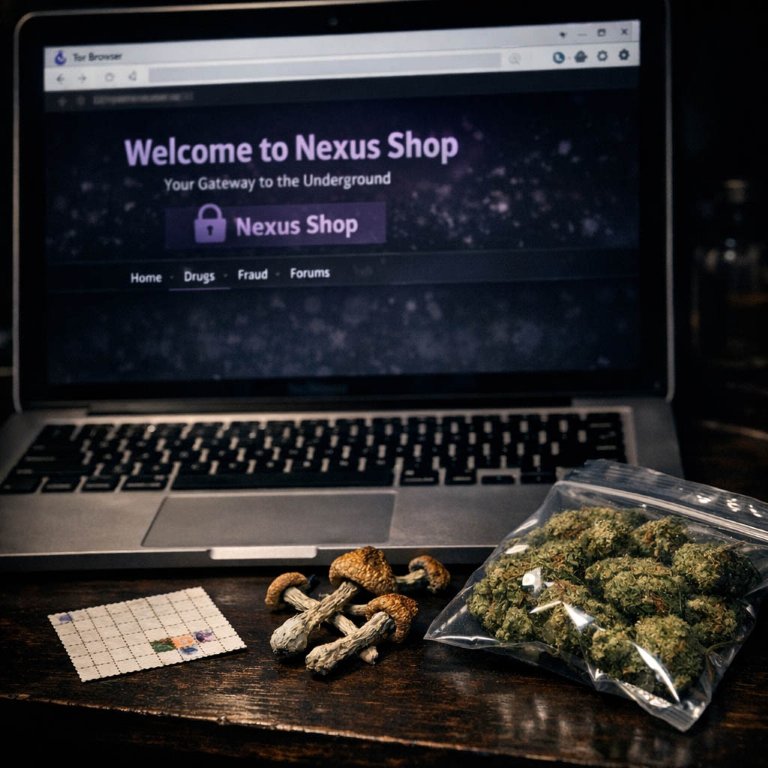
How Darknet Markets Make Drug Sales Efficient
The operational model of darknet markets represents a significant advancement in transactional efficiency for niche e-commerce. By integrating several key technological and social components, these platforms streamline processes that are cumbersome in offline illicit trade.
The foundation of this efficiency is the use of cryptocurrency. Payments are settled nearly instantly, regardless of the geographical location of the buyer and seller. This eliminates the delays and physical risks associated with moving cash, turning a multi-step process into a simple digital transfer.
This financial efficiency is matched by logistical simplicity. Vendors operate with a level of professionalism often comparable to legitimate online retailers. Standardized processes include:
- Clear product listings with detailed descriptions and photographs
- Discreet and reliable shipping methods with tracking options
- Automated order confirmation and status updates
Furthermore, the integrated feedback and review system creates a self-regulating environment that enhances market efficiency. Buyers can quickly assess a vendor's reliability based on historical transaction data, reducing the time and risk spent on vetting. This transparent record of performance incentivizes vendors to maintain high standards in product quality and shipping speed to preserve their reputation, which is their primary business asset.
Finally, the escrow service automates and secures the final step of the transaction. Funds are held by the market until the buyer confirms receipt, which then triggers the automatic release of payment to the seller. This built-in mechanism resolves the fundamental issue of trust in anonymous transactions without requiring third-party intervention, ensuring a smooth and secure conclusion for both parties.
How Darknet Markets Build Trust and Security for Trade
The operational model of darknet markets represents a significant evolution in peer-to-peer commerce, demonstrating resilience by functioning effectively outside traditional financial and regulatory systems. This resilience is built upon a foundational triad: cryptocurrency, encryption, and community feedback. Cryptocurrencies like Bitcoin and Monero provide a payment layer that is both private and secure, separating financial transactions from real-world identities. This is complemented by strong encryption protocols that anonymize user traffic and secure communications, making participation technically opaque to external observers.
Trust, a critical barrier in any untrusted environment, is engineered through transparent systems. Escrow services act as a neutral third party, holding a buyer's funds until the product is received and verified. This mechanism directly protects consumers from fraud. Furthermore, the entire ecosystem relies on a robust peer-review system. After a transaction, buyers leave detailed feedback on product quality and vendor reliability. This creates a self-policing environment where:
- Vendors with consistent positive reviews gain high reputational scores, leading to more business.
- Buyers can make informed decisions based on collective experience, reducing risk.
- Attempts at scamming are quickly exposed and marginalized by the community.
The efficiency of this model is evident in its user-centric design. Markets offer search functions, categorized listings, and vendor storefronts that rival legitimate e-commerce platforms. This streamlined access, combined with the security and trust frameworks, simplifies the procurement process for the end-user. The system's resilience is proven by its persistent adaptation; when one marketplace is closed, its structure is often replicated in new iterations, as the underlying demand and technological blueprint remain. This demonstrates a sustainable, decentralized alternative for trade, governed by cryptographic security and communal reputation rather than centralized authority.